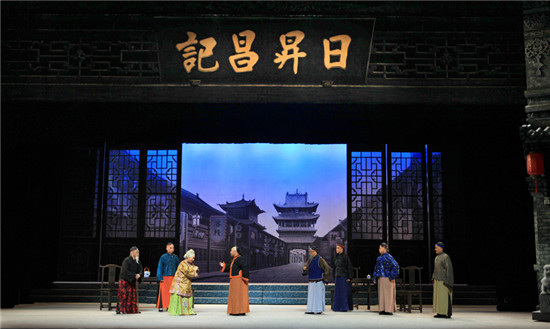
Jinju Opera
Introduction
Jinju Opera, also known as Shanxi Opera, is a traditional Chinese opera form that originated in Shanxi province, China. It is renowned for its compelling performances that blend vocal art, music, dance, and drama. This opera form is characterized by its distinctive vocal techniques, diverse music and instruments, and colorful costumes and makeup, each contributing to its unique aesthetic appeal.
History
The history of Jinju Opera can be traced back to the late Qing Dynasty. It gained widespread popularity during the 1950s when the Jinju Opera Theater of Shanxi Province was established by merging various local troupes to promote this traditional art form. Over the decades, the theater has staged numerous plays, both traditional and newly created, thereby enriching its repertoire. Notable productions from the 1950s include Beating the Princess-wife and Lady Jellyfish, which were widely acclaimed and enjoyed by audiences across different regions.
Jinju Opera has also gained international recognition, with the theater touring countries like Australia and participating in cultural exhibitions in Hong Kong. The opera's ability to tell compelling stories, such as the fight against corruption depicted in the play Liang Zhongjing, has contributed to its enduring appeal. The opera has not only fostered a strong cast of talented artists but also nurtured new generations of performers, ensuring the continuity of this cherished art form.
Characteristics
Vocal Techniques
Jinju Opera's vocal techniques are a defining characteristic of the genre. Performers employ a range of vocal styles to convey emotions and advance the narrative, often using a high-pitched singing style that is both expressive and powerful. The opera incorporates various vocal elements, including arias, recitatives, and spoken dialogue, which require performers to have exceptional control over their voice. The vocal delivery is often accompanied by a rhythmic pattern that enhances the dramatic effect of the performance.
Music and Instruments
The music of Jinju Opera is a rich blend of traditional Chinese musical elements, featuring a variety of instruments that create a unique soundscape. Key instruments used in performance include the jinghu (a two-stringed fiddle), the erhu (a two-stringed bowed instrument), and the pipa (a four-stringed lute). Percussion instruments like drums and cymbals are also integral, providing rhythmic support and dramatic emphasis during performances. The music not only complements the vocal performances but also serves to set the mood and enhance the storytelling aspect of the opera.
Costumes and Makeup
Costumes and makeup in Jinju Opera are crucial to the visual impact and storytelling of the performance. Performers wear elaborate costumes that reflect the characters' roles, status, and personality, often featuring intricate embroidery and vibrant colors. Makeup is equally important, with specific styles used to depict different character types, emotions, and plot developments. The use of masks or painted faces is a tradition in Jinju Opera, where colors and patterns symbolize traits such as bravery, loyalty, or treachery.
Performance
Famous Plays
Jinju Opera is known for its extensive repertoire of both classic and newly created plays. Some of the most famous traditional works include Small Banquet, Court Murder, and Bridge over the Gold Water. These plays are celebrated for their intricate plots and engaging performances. Newer creations like Blossom of the Oil Lamp and Yellow River, Our Mother continue to push the boundaries of the art form while maintaining the traditional essence of Jinju Opera.
Notable Performers
The opera has produced many notable performers who have contributed to its legacy. Artists like Wang Aiai, Tian Guilan, and Li Guilian have been instrumental in popularizing Jinju Opera through their exceptional performances. These performers have been recognized with prestigious awards such as the Gold Disc Award, Plum Blossom Award, and Wenhua Award, which highlight their skill and dedication to the art form. Their performances have inspired both audiences and aspiring artists, ensuring the continued relevance of Jinju Opera in contemporary culture.








